What Creator Growth Viewers Actually Wanted This Week
This week's creator-growth comments were not looking for another isolated growth trick. New and small creators wanted to see how the whole channel-building process fits together, how to choose or change direction, and how to diagnose weak reach or revenue without blaming an invisible algorithm.
- Published:
- Coverage:
- July 20–26, 2026
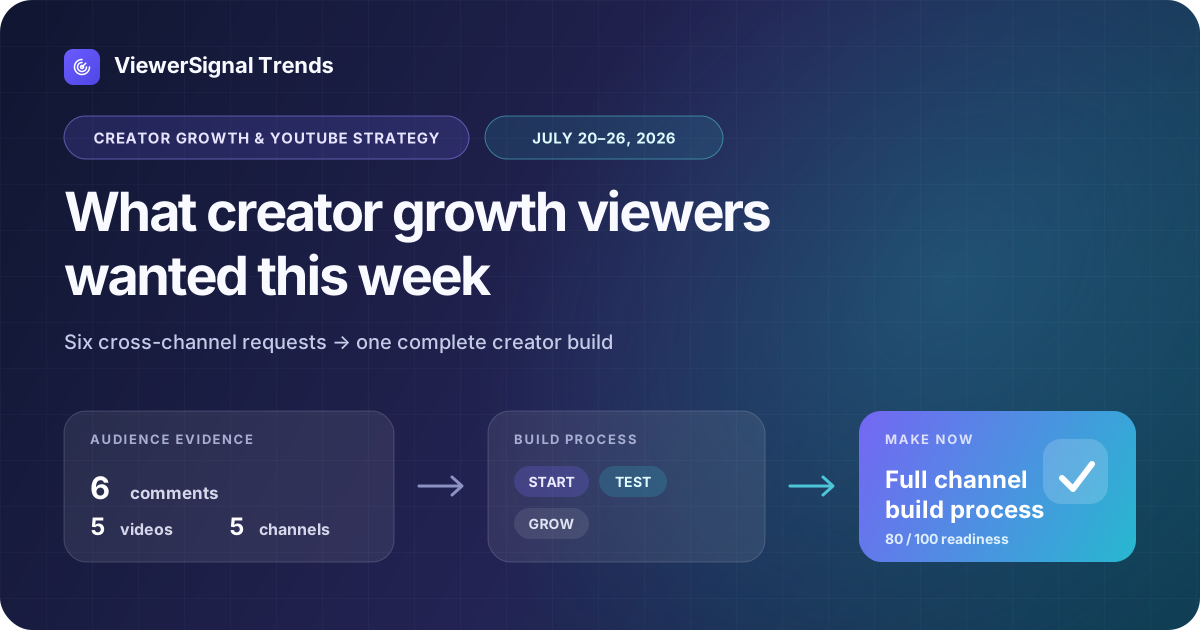
This week in 30 seconds
- The clearest immediate opportunity is an end-to-end channel build that shows the decisions, mistakes, policy checks, and course corrections between starting and growth.
- Niche selection has broad cross-channel reach, while Shorts thumbnail guidance is more concentrated but still specific enough to test.
- Discoverability and monetization questions reveal the same trust problem: creators want diagnosis and recovery steps, not vague reassurance about the platform.
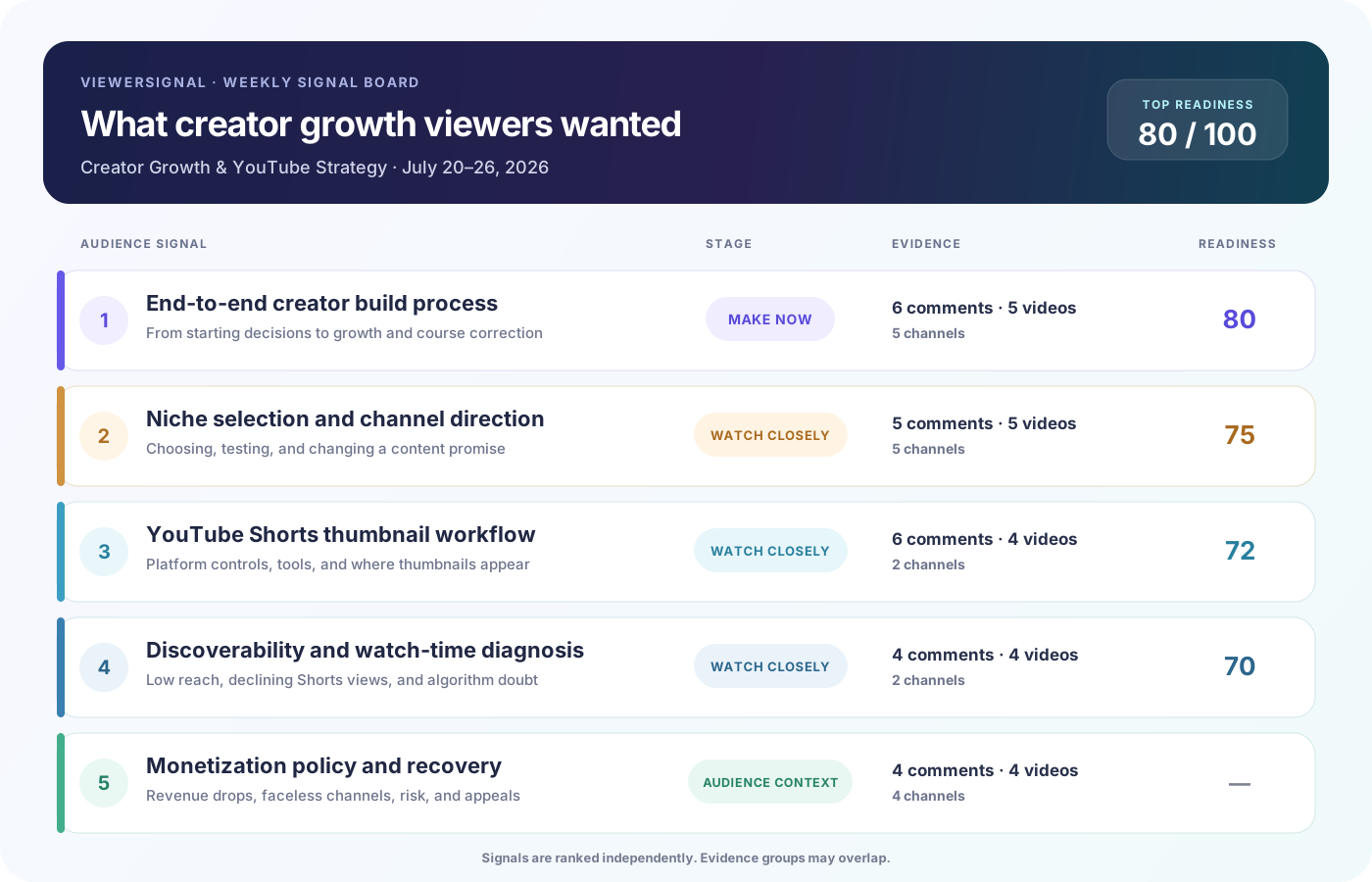
Top content opportunity
New creators want to watch the whole channel-building process
Six related comments across five videos and five channels asked what the creator build process looks like from the beginning through growth. With an 80/100 readiness score, this was the report's only Make Now signal and its clearest cross-channel request.
The audience is asking for more than a success story. One viewer wanted an extended segment that follows a creator's decisions from beginning to end, including where YouTube policy would change the plan. Another worried that original faceless content could still put a channel at risk, showing how platform rules now sit inside the basic question of how to start.
The strongest video would make the invisible work visible: choosing a promise, validating a format, scripting and producing the first uploads, reading early evidence, correcting weak decisions, and documenting the moments when policy, identity, or confidence changes the path.
That turns personal experience into a practical build log. The creator's story provides encouragement, but the decisions and evidence make it transferable.
Video angles supported by this signal
- Build a YouTube channel from zero: every decision explained
- My full creator journey, including the mistakes that changed the plan
- What I wish I knew before starting a faceless channel
Broad starting-point need
Niche advice needs to cover changing direction, not only choosing once
Five related comments across five videos and five channels focused on niche selection and channel starting, producing a 75/100 readiness score. The spread is strong, but the source report keeps the idea in Watch Closely because the need is less urgent and less directly actionable than the end-to-end build request.
The comments show that niche selection is not only a blank-page problem. Some creators are deciding whether a new channel idea is worth continuing. Others have already changed niche or language and are trying to understand why the platform or audience responded differently.
A stronger video should therefore treat a niche as a testable content promise rather than a permanent identity. Show how to evaluate audience fit, format repeatability, creator interest, and early performance before a pivot, then explain what changes when the channel switches topic or language.
Video angles supported by this signal
- How to choose a YouTube niche you can test before committing
- When to change niche and when to fix the content instead
- What happens when you change a channel's topic or language
Concentrated how-to signal
Shorts creators want a usable thumbnail workflow
Six related comments across four videos and two channels focused on thumbnail creation and management for YouTube Shorts, giving the signal a 72/100 readiness score. The need is concrete, but its concentration in two channels means it still needs broader repetition before becoming a category-wide Make Now recommendation.
The creator job is practical: explain what thumbnail control Shorts creators actually have, how the current selection or upload flow works, which tools are useful, and where a thumbnail affects discovery across the Shorts feed, search, channel pages, or other surfaces.
This is a good candidate for a focused tutorial or experiment. The most useful version would separate platform facts from creator assumptions and compare the same Short across the places where a chosen frame or custom visual may appear.
Video angles supported by this signal
- YouTube Shorts thumbnails: what you can control in 2026
- A practical thumbnail workflow for Shorts creators
- Where a Shorts thumbnail matters—and where it does not
Reach and diagnosis signal
Creators want a diagnosis for low reach, not a shadowban story
Four related comments across four videos and two channels asked how to improve discoverability and watch time, reaching 70/100 readiness. Viewers described channels that felt as if they were slowly dying, videos that were not reaching an audience, and the suspicion that an algorithmic limit was holding them back.
A separate supporting cluster contained five related comments across four videos and four channels about declining YouTube Shorts views. Because the groups were ranked independently and may overlap, their counts should not be combined. Together they show why generic advice to stay consistent can feel inadequate when a creator cannot tell what changed.
A useful response should provide a diagnostic order: verify impressions and traffic sources, separate packaging from retention, compare recent topics with the audience promise, check Shorts distribution patterns, and define what evidence would actually support a platform-level explanation.
Video angles supported by this signal
- Why your YouTube reach dropped: a step-by-step diagnosis
- Are you shadowbanned? Check these signals before you decide
- What to do when consistent Shorts suddenly stop getting views
Platform trust blocker
Monetization advice needs a recovery path
A supporting audience-context cluster contained four related comments across four videos and four channels about monetization policies, demonetization risk, and recovery. This group did not receive an individual readiness score, but its cross-channel spread makes it important context for creator-growth advice.
The questions are operational and emotional at the same time. One creator described revenue collapsing even while daily views remained high and wanted to know whether RPM, invalid traffic, or another policy issue could explain it. Faceless creators also worried about whether original work could be misclassified or penalized under changing platform rules.
A useful video should map symptoms to next steps: which analytics to inspect, which policy notices matter, how to distinguish lower RPM from limited monetization, what documentation to keep, and when an appeal or support request is appropriate. Reassurance without a recovery workflow will not resolve the trust blocker.
Video angles supported by this signal
- Why YouTube revenue can collapse while views stay high
- Faceless channel monetization: policy risks and proof to keep
- A recovery checklist for demonetized creators
Why this matters
The common thread is visibility into the process. Creators are more willing to act when they can see how a channel is built, how a niche is tested, how weak reach is diagnosed, and how a policy problem is recovered. Creator-education channels can earn trust by replacing isolated tactics and algorithm folklore with complete workflows and clear decision points.