What Tech Review Viewers Actually Wanted This Week
This week's tech comments were unusually specific. Viewers were not asking for more devices in the abstract; they were naming the display features, prices, reliability problems, and specialized use cases that would actually change a buying or upgrade decision.
- Published:
- Coverage:
- July 13–19, 2026
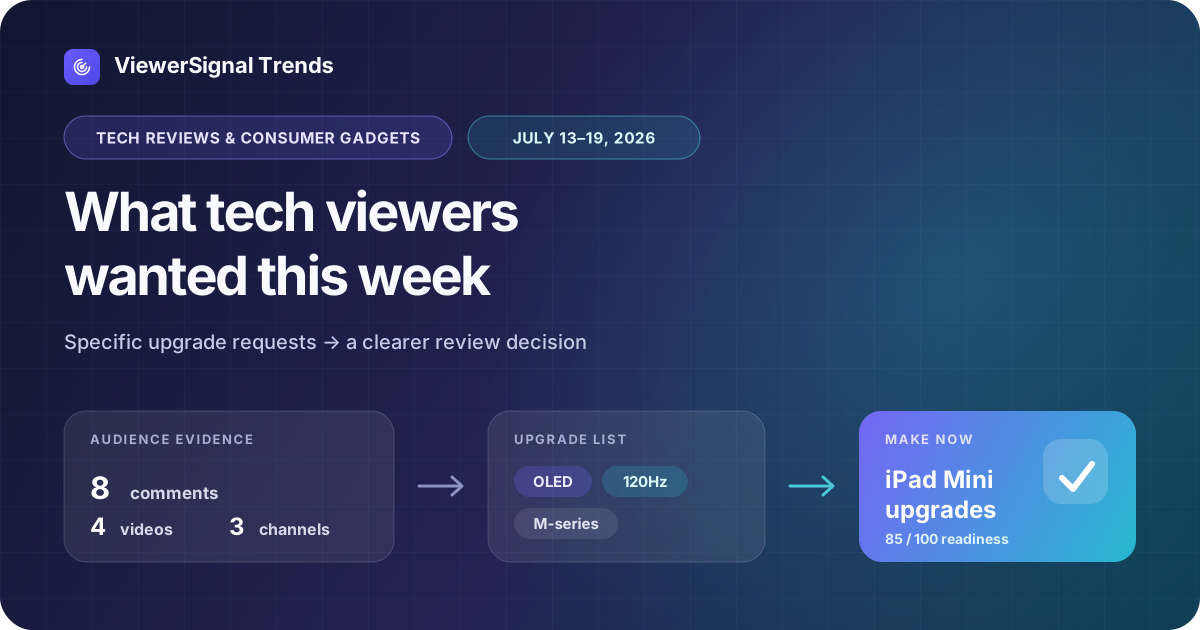
This week in 30 seconds
- The clearest immediate opportunity is an iPad Mini upgrade video built around OLED, 120Hz, performance, and creative-tool compatibility.
- Price has become part of the product itself: viewers want reviewers to judge launch pricing, alternatives, and upgrade value together.
- Rugged phones are a small but concrete niche, while Pixel and smart-TV complaints show growing demand for long-term reliability testing.
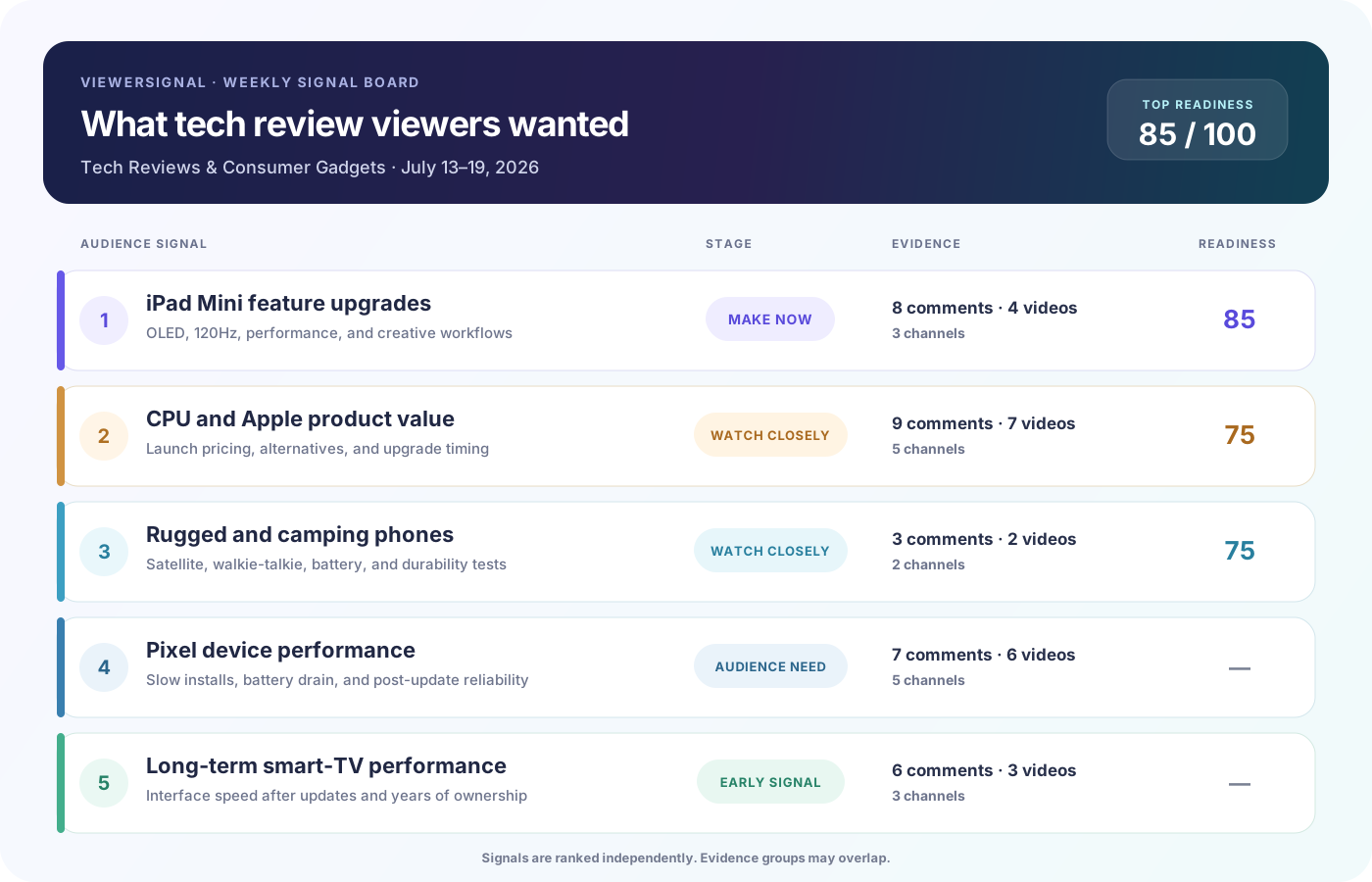
Top content opportunity
The iPad Mini audience has a specific upgrade list
Eight related comments across four videos and three channels focused on iPad Mini feature upgrades, giving this signal an 85/100 readiness score. The requests were concrete: OLED, a refresh rate above 60Hz, stronger chips, and better support for illustration workflows.
That specificity is what makes the opportunity strong. Viewers are not simply asking whether a future Mini will be faster. They are deciding whether its compact size can coexist with the screen quality and performance they already expect from other Apple devices.
A related question appeared around foldables: could a wider foldable iPhone replace an iPad Mini for illustrators who do not want to carry an Air or Pro? That comparison gives the video a useful buying decision instead of turning it into another rumor recap.
The best version should clearly separate confirmed features, credible expectations, and the creator's own minimum upgrade threshold. That keeps the video useful even if release details change.
Video angles supported by this signal
- Why the iPad Mini needs OLED and 120Hz now
- The five upgrades that would make the next iPad Mini worth buying
- Could a foldable iPhone replace the iPad Mini for illustrators?
Value and trust signal
Price has become part of every product review
Nine related comments across seven videos and five channels questioned whether current CPU and Apple product prices are justified. At 75/100 readiness, the pattern is broad enough to influence purchase timing and upgrade decisions across more than one product family.
Some viewers said they would wait years or buy used rather than accept a launch price. Others liked the underlying product but felt repeated price increases had broken the upgrade habit. The shared request is not for cheaper products at any cost; it is for a reviewer to explain what the buyer receives for the premium and what alternatives preserve most of the value.
A narrower Ryzen pricing cluster contained five comments across two videos and two channels at 68/100 readiness. Those viewers compared the 7700X3D with nearby Ryzen models and questioned whether the platform-upgrade logic made sense at the stated prices. That evidence supports the wider value story, but its totals should remain separate.
Useful reviews should now include launch price, realistic street price, used-market alternatives, total platform cost, and the point at which waiting becomes the better recommendation.
Video angles supported by this signal
- Is this CPU worth its launch price or should you wait?
- How to compare a tech upgrade by total platform cost
- The Apple upgrade tax: what are the best alternatives?
Niche direct request
Rugged phones offer a small but concrete review opportunity
Three related comments across two videos and two channels requested coverage of rugged and camping phones, producing a 75/100 readiness score. The audience is smaller than the mainstream phone market, but the creator job is unusually clear.
Viewers named features that conventional phone reviews rarely test seriously: built-in walkie-talkie functions, satellite connectivity, large batteries, durability, and reliability in outdoor or industrial conditions. One viewer directly requested a review of a specific rugged model after an earlier request went unanswered.
This content should be evaluated against the job rather than the flagship-phone benchmark. A useful test would cover signal availability, battery endurance, glove use, drop resistance, repairability, camera compromises, and whether the specialized features work without a subscription or separate accessory.
Video angles supported by this signal
- The best rugged phones for outdoor work and camping
- Satellite and walkie-talkie phones: useful tool or gimmick?
- What mainstream phone reviews miss about rugged devices
Reliability signal
Pixel owners want troubleshooting, not another feature tour
Seven related comments across six videos and five channels described Pixel performance problems, especially slow app installation and poor battery life. The source report's category read treated this as a strong pattern and identified practical troubleshooting as the clearest creator move.
The comments compare everyday friction, not synthetic performance. A phone can feel fast in a launch review and still frustrate its owner when an update leaves apps sitting at the installation stage or the battery drains heavily overnight.
That suggests a different review promise: test what happens after setup, after an update, and after several days of normal use. A troubleshooting video can then separate indexing or update-related behavior from persistent device problems and show which settings or diagnostics are worth trying before a reset or replacement.
Video angles supported by this signal
- Why Pixel apps get stuck installing and what to try
- How to diagnose overnight Pixel battery drain
- The Pixel reliability test launch reviews usually skip
Long-term performance signal
Smart-TV buyers care about year two, not just day one
Six related comments across three videos and three channels formed a promising signal around smart-TV performance. Viewers described expensive televisions becoming painfully slow as interfaces and apps accumulated updates, sometimes taking several seconds to respond or much longer to close an app.
This is a stronger story than whether one inexpensive television feels responsive out of the box. Buyers want to know whether the processor, memory, software support, and advertising-heavy interface will remain usable over the life of the panel.
The pattern is still early, but it suggests a valuable testing standard for reviewers: revisit televisions after major updates, measure common interface actions, explain external streaming-box options, and distinguish display quality from the longevity of the built-in smart platform.
Video angles supported by this signal
- Why smart TVs get slower after you buy them
- The long-term TV performance test reviewers should run
- When an external streaming box is better than the built-in software
Why this matters
Across tablets, CPUs, phones, and televisions, viewers are asking reviewers to test the decision that survives after launch day. They want to know whether a missing feature changes the workflow, whether the price is defensible, and whether the device remains reliable after updates. Tech creators can stand out by reviewing ownership and longevity, not only specifications.